
Summary
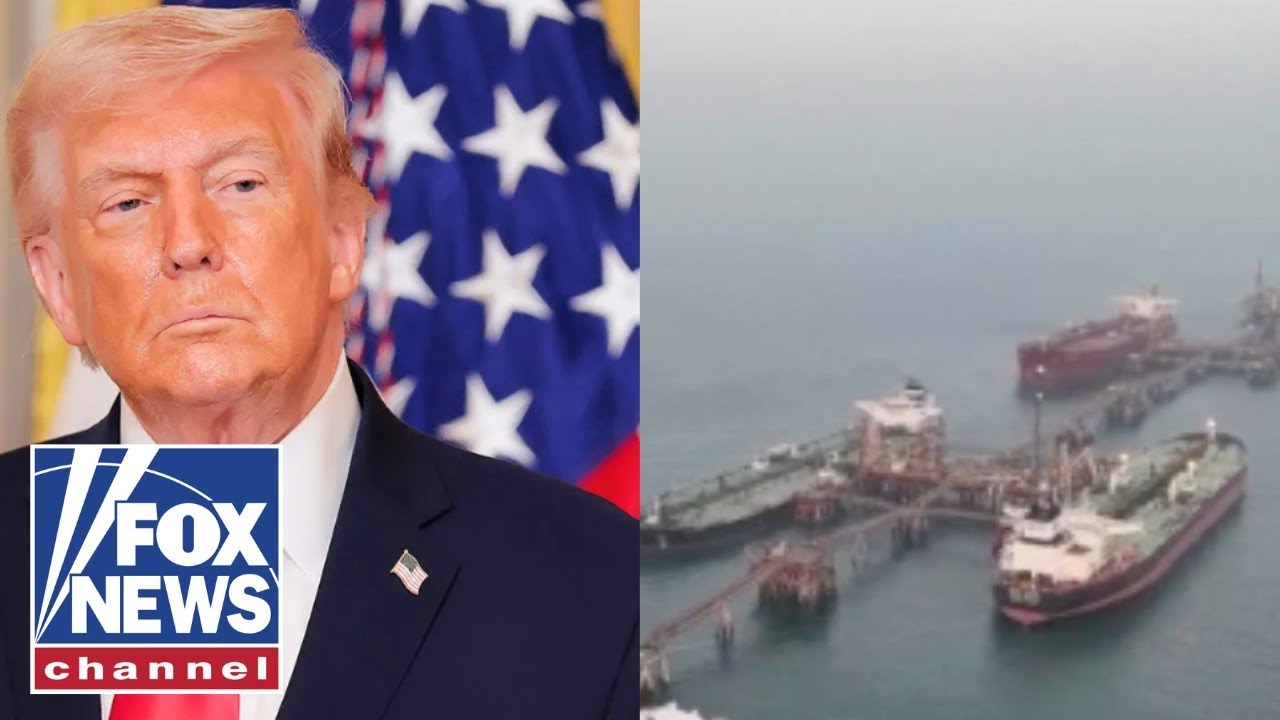
The **Middle East crisis** has escalated as **Iran** claims the **US** blockade of ports violates the ceasefire, prompting Iran to close the **Strait of Hormuz**. **Donald Trump** has responded, stating that the US is talking to Iran and that they cannot be blackmailed. The situation has sparked concerns about global oil prices and the potential for further conflict. The US and Iran have been engaged in a series of escalating tensions, with the **US** imposing sanctions on **Iran** and **Iran** responding with threats to close the **Strait of Hormuz**. The crisis has been ongoing for several months, with both sides refusing to back down. The **International Community** has called for calm and restraint, with the **UN** urging both sides to engage in diplomatic efforts to resolve the crisis. For more information, see [[iran-us-relations|Iran-US Relations]] and [[middle-east-crisis|Middle East Crisis]]. The situation is being closely monitored by the **global community**, with many countries dependent on oil shipments through the **Strait of Hormuz**. The crisis has also sparked concerns about the potential for **cyberattacks** and **terrorism**, with many experts warning of the dangers of escalation. See [[cybersecurity|Cybersecurity]] and [[terrorism|Terrorism]] for more information.
Key Takeaways
- The crisis in the Middle East has the potential to impact global oil prices and economic stability.
- The US and Iran have been engaged in a series of escalating tensions, with both sides refusing to back down.
- The closure of the Strait of Hormuz has sparked concerns about regional instability and the potential for further conflict.
- The International Community can play a crucial role in resolving the crisis by urging both sides to engage in diplomatic efforts.
- The US and Iran can take steps to de-escalate the situation, including the removal of sanctions and the establishment of a dialogue.
Balanced Perspective
The situation in the **Middle East** is complex and multifaceted, with both the **US** and **Iran** having legitimate concerns and grievances. The **US** has imposed sanctions on **Iran**, which has responded with threats to close the **Strait of Hormuz**. The crisis has sparked concerns about **global oil prices** and the potential for further conflict. For more information, see [[sanctions|Sanctions]] and [[oil-markets|Oil Markets]]. The situation is being closely monitored by the **global community**, with many countries calling for calm and restraint. See [[global-governance|Global Governance]] for more information.
Optimistic View
Despite the escalating tensions, there is still hope for a diplomatic resolution to the crisis. **Donald Trump** has stated that a deal is still possible, and the **US** and **Iran** have engaged in talks in the past. The **International Community** has also called for calm and restraint, with the **UN** urging both sides to engage in diplomatic efforts to resolve the crisis. For more information, see [[diplomacy|Diplomacy]] and [[international-relations|International Relations]]. The situation is complex, but with careful diplomacy and negotiation, it is possible to find a peaceful resolution. See [[conflict-resolution|Conflict Resolution]] for more information.
Critical View
The crisis in the **Middle East** has the potential to escalate into a full-scale conflict, with devastating consequences for the region and the world. The **US** and **Iran** have been engaged in a series of escalating tensions, with both sides refusing to back down. The closure of the **Strait of Hormuz** has sparked concerns about **global oil prices** and the potential for **economic instability**. For more information, see [[conflict-escalation|Conflict Escalation]] and [[economic-instability|Economic Instability]]. The situation is dire, and it is unclear whether diplomatic efforts will be enough to resolve the crisis. See [[crisis-management|Crisis Management]] for more information.
Source
Originally reported by The Guardian